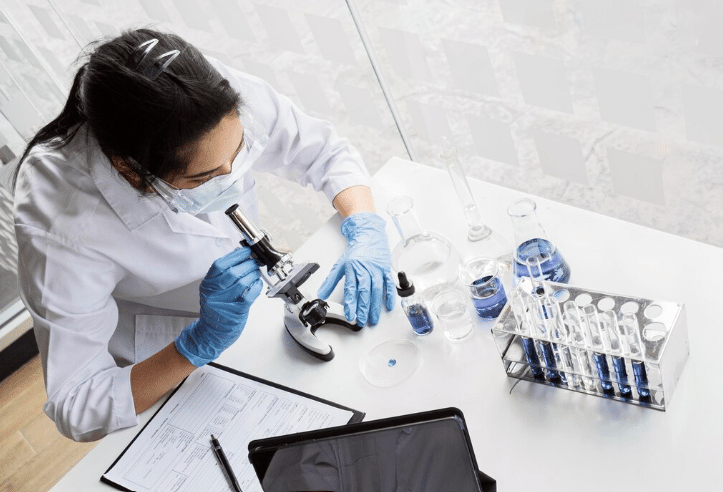
Healthcare is changing at lightning speed. Every second counts when it comes to saving lives, preventing disease, and ensuring accurate treatment. That is why the role of a diagnostic solutions laboratory has become more vital than ever. These laboratories are no longer places for simple blood tests. They are now centers of innovation, technology, and accuracy that shape the future of medicine.
The Importance of Diagnostic Laboratories
Without proper diagnosis, treatment is guesswork. Laboratories form the backbone of healthcare. They provide the evidence doctors need to make decisions. Today, more than 70% of medical decisions rely on diagnostic testing.
From routine blood work to advanced genetic testing, labs ensure that healthcare is not based on assumptions but on data. This not only saves time but also saves lives.
The Evolution of Diagnostics
In the past, laboratories focused on manual testing. Results could take days or weeks. Now, technology has revolutionized the process. Machines powered by AI, robotics, and data science deliver faster, more accurate outcomes.
- Traditional diagnostics: Manual, slow, and prone to errors.
- Modern diagnostics: Automated, digital, and highly precise.
- Future diagnostics: AI-driven predictions and personalized medicine.
The journey of diagnostics reflects humanity’s fight against uncertainty in health.
Services Offered by Modern Diagnostic Laboratories
A diagnostic solutions laboratory today offers a wide range of services. These services cover prevention, detection, and monitoring of diseases.
1. Clinical Chemistry
Tests like glucose levels, cholesterol, and liver function give doctors a clear picture of health.
2. Hematology
Analysis of blood cells helps detect conditions such as anemia, leukemia, and infections.
3. Microbiology
This area identifies harmful bacteria, viruses, and fungi that cause disease.
4. Molecular Diagnostics
Advanced testing looks at DNA and RNA, allowing detection of genetic disorders and cancers at early stages.
5. Immunology
Tests measure the immune system’s strength and detect autoimmune diseases.
6. Pathology
Detailed studies of tissues confirm or rule out life-threatening conditions.
7. Imaging Support
Some laboratories partner with imaging centers to provide MRI, CT, and X-ray analysis alongside lab results.
The Role of Technology
Technology is the heartbeat of modern diagnostic solutions. Every year, new tools emerge that make results faster and more reliable.
- Automation: Machines handle repetitive tasks, reducing human error.
- Artificial Intelligence: AI helps detect patterns invisible to the human eye.
- Digital Platforms: Patients can now access reports online within hours.
- Wearable Integration: Devices like smartwatches connect directly with labs to provide real-time health data.
Technology does not replace doctors. Instead, it empowers them with stronger evidence to treat patients.
Accuracy and Reliability: The Core Promise
One of the biggest fears in healthcare is a wrong diagnosis. A misinterpreted test can lead to harmful treatment. Diagnostic laboratories focus on accuracy as their highest priority.
- Multiple layers of verification are built into testing.
- Skilled professionals oversee automation systems.
- International standards and certifications guarantee quality.
This reliability builds trust between patients, doctors, and labs.
Why Patients Trust Diagnostics Solutions Laboratories
Patients choose these laboratories not just for tests but for peace of mind. Here’s why they trust them:
- Speed: Results are delivered quickly, often on the same day.
- Clarity: Reports are written in simple, understandable language.
- Care: Many labs now focus on patient comfort with home sample collection.
- Privacy: Secure systems protect sensitive health data.
- Support: Expert staff explain results and guide patients on next steps.
The emotional comfort provided by labs is as important as the science behind them.
Preventive Healthcare and Early Detection
The biggest advantage of modern diagnostics is prevention. Early detection means early treatment, which can save lives and reduce healthcare costs.
- Cancer Screening: Early tumor detection leads to higher survival rates.
- Diabetes Monitoring: Regular blood sugar checks prevent complications.
- Heart Risk Testing: Identifying cholesterol or blood pressure risks avoids emergencies.
By encouraging preventive testing, labs move healthcare from reactive to proactive.
The Human Touch Behind the Machines
While technology plays a massive role, human expertise cannot be replaced. Every lab employs trained professionals who bring compassion and precision.
- Pathologists carefully interpret results.
- Technicians ensure machines run smoothly.
- Support staff guide patients through the process.
This combination of technology and human care creates an experience that patients can trust.
Global Standards and Certifications
To ensure credibility, diagnostic laboratories follow strict standards:
- ISO Certifications: Guarantee global quality assurance.
- CAP Accreditation: Recognized internationally for excellence.
- NABL Approval: Ensures labs meet national benchmarks.
These certifications show that the laboratory is committed to best practices and global trust.
Challenges Faced by Diagnostic Laboratories
Despite their success, labs face challenges:
- Rising healthcare costs.
- Increasing demand for personalized medicine.
- The need for continuous technology upgrades.
- Maintaining strict data security.
Yet, each challenge pushes the industry to innovate further.
The Future of Diagnostics
The next decade will bring even greater changes. Predictions include:
- AI predicting diseases before symptoms appear.
- Integration of lab results with telemedicine for instant doctor access.
- Expansion of home-based diagnostics powered by portable devices.
- Focus on sustainable and eco-friendly laboratory practices.
The future is bright, and diagnostics will remain at the heart of healthcare transformation.
Conclusion
Diagnostics solutions laboratories are more than test centers. They are the foundation of modern healthcare, combining science, technology, and compassion. They guide doctors, support patients, and ensure that health decisions are based on facts, not guesswork.
As the world continues to face new health challenges, from pandemics to genetic disorders, these laboratories stand as a symbol of accuracy, trust, and hope. They are not just shaping medicine—they are shaping lives.
FAQs
What is a diagnostic solutions laboratory?
It is a modern facility that offers a wide range of tests and services to detect, monitor, and prevent diseases using advanced technology.
Why are diagnostic labs important?
Over 70% of medical decisions depend on lab results. They provide doctors with the data needed for accurate treatment.
What services do diagnostic labs provide?
They offer services like clinical chemistry, hematology, microbiology, molecular diagnostics, immunology, and pathology.
How do diagnostic labs ensure accuracy?
They use automation, skilled professionals, and international standards like ISO and CAP to guarantee reliable results.
What is the future of diagnostic laboratories?
The future includes AI-driven predictions, home-based testing, and integration with telemedicine for faster healthcare delivery.